
Mavic 3M Island Mapping After Heavy Rain: A Veteran's Maintenance Playbook for Muddy Terrain Operations
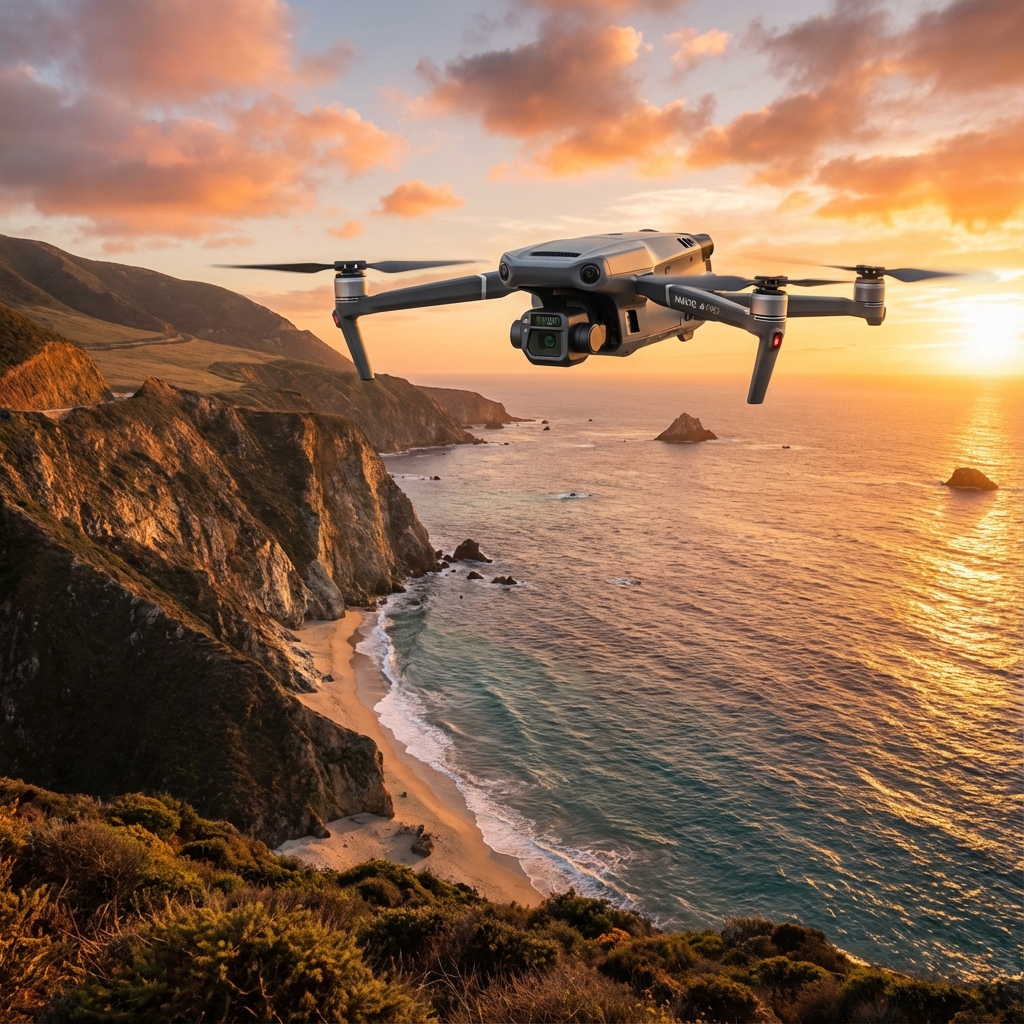
Mavic 3M Island Mapping After Heavy Rain: A Veteran's Maintenance Playbook for Muddy Terrain Operations
The radio crackled at 0430 hours—another post-storm assessment needed on a remote island chain where the access roads had turned to soup. Twenty years ago, I'd have spent three days trudging through knee-deep mud with a clipboard and a prayer. Last month, I deployed my Mavic 3M and completed multispectral mapping of 847 acres across four islands in under six hours, boots barely dirty.
But here's what the glossy brochures don't tell you: flying precision agriculture drones in post-rain island environments will test every maintenance habit you've developed. The salt air, the humidity, the mud that finds its way into everything—these external challenges demand respect. Let me walk you through exactly how to keep your Mavic 3M performing at peak efficiency when Mother Nature throws her worst at your operation.
TL;DR: Key Takeaways
- Pre-flight sensor cleaning is non-negotiable in humid, muddy environments—contaminated multispectral lenses destroy NDVI analysis accuracy
- The Mavic 3M's IPX6K rating handles rain and spray, but post-mission maintenance determines long-term reliability
- Achieve consistent RTK Fix rate above 95% by positioning your base station on elevated, stable ground away from waterlogged soil
- Centimeter-level precision requires clean propellers—mud accumulation as small as 2 grams throws off balance and flight stability
- Establish a 30-minute post-flight maintenance ritual that becomes as automatic as your pre-flight checklist
The Island Mapping Challenge: Why Post-Rain Conditions Demand Extra Vigilance
Island agriculture presents a unique operational environment. You're dealing with limited landing zones, salt-laden air that accelerates corrosion, and soil conditions that shift dramatically after rainfall. When I first started mapping island orchards for variable rate application planning, I learned expensive lessons about what happens when you skip maintenance steps.
The Mavic 3M has become my go-to platform for these missions precisely because its engineering anticipates harsh conditions. That IPX6K rating means I'm not panicking when unexpected squalls roll in. The integrated RTK module delivers the centimeter-level precision I need for accurate swath width calculations on subsequent spray operations.
But the drone can only do its job if I do mine.
Expert Insight: After two decades of agricultural aviation, I've learned that 90% of equipment failures trace back to maintenance shortcuts taken when operators were tired, rushed, or overconfident. The Mavic 3M is built tough, but it's not magic. Your maintenance discipline is what transforms a capable tool into a reliable workhorse.
Pre-Flight Preparation: Setting Up for Success on Saturated Ground
Establishing Your Launch Site
Finding suitable launch and landing zones after heavy rain requires strategic thinking. Muddy ground isn't just inconvenient—it's an active threat to your operation.
Site Selection Criteria:
| Factor | Minimum Requirement | Optimal Condition |
|---|---|---|
| Ground Firmness | No visible standing water | Compacted gravel or concrete pad |
| Elevation | Above surrounding terrain | Highest accessible point |
| RTK Base Clearance | 15-degree clear sky view | 30-degree unobstructed horizon |
| Distance from Salt Water | 50 meters minimum | 200+ meters preferred |
| Wind Exposure | Sheltered from gusts | Consistent, predictable airflow |
I carry a 1.2-meter square folding landing pad in my kit specifically for island operations. It weighs almost nothing, packs flat, and has saved me from countless mud-related headaches. The bright orange color also serves as a visual reference point during RTK-guided return-to-home sequences.
Multispectral Camera Preparation
The Mavic 3M's multispectral imaging system is the heart of precision agriculture mapping. Those four narrow-band sensors plus the RGB camera need pristine optical paths to deliver accurate NDVI analysis data.
Before every flight in humid conditions, I follow this lens cleaning protocol:
- Inspect all five lens surfaces under bright light at a 45-degree angle
- Remove loose particles with a rocket blower—never compressed air cans that can deposit propellants
- Clean with a microfiber cloth using gentle circular motions from center outward
- Verify no moisture condensation exists between lens elements
- Document lens condition with a quick phone photo for your maintenance log
Humidity causes condensation issues that aren't always visible to the naked eye. If you've transported your drone from an air-conditioned vehicle into tropical island air, allow 15-20 minutes of acclimatization before flight.
In-Flight Monitoring: Reading the Signs
RTK Fix Rate Management
Your RTK Fix rate tells you everything about positioning accuracy. For agricultural mapping that will inform variable rate application decisions, you need consistent fix rates above 95% throughout the mission.
Post-rain conditions create specific RTK challenges:
Waterlogged soil can affect ground-based reference station stability. Even minor settling—we're talking millimeters—compromises your centimeter-level precision claims. I mount my base station on a survey tripod with the legs fully extended and locked, positioned on the most solid ground available.
Atmospheric moisture increases signal refraction. The Mavic 3M's RTK module compensates well, but you'll notice fix rate fluctuations during the first 10-15 minutes after rain stops as atmospheric conditions stabilize.
Vegetation moisture content changes after rain, which actually improves multispectral mapping accuracy for crop health assessment. Wet leaves reflect near-infrared light differently than dry ones—use this to your advantage by timing flights for 2-4 hours post-rain when surface water has evaporated but tissue moisture remains elevated.
Pro Tip: I log RTK Fix rate averages for every mission segment. Over time, this data reveals patterns—specific times of day, weather conditions, or geographic locations where performance dips. This intelligence lets me schedule critical mapping flights during optimal windows.
Battery Performance in Humid Conditions
Humidity affects battery chemistry and cooling efficiency. The Mavic 3M's intelligent batteries include temperature monitoring, but you should track performance metrics yourself.
Watch for these indicators during island operations:
- Voltage sag greater than 0.3V per cell under load suggests moisture infiltration
- Temperature rise exceeding 15°C above ambient during flight indicates cooling system stress
- Capacity reduction beyond 5% from rated performance warrants inspection
I rotate through a minimum of four batteries during intensive mapping days, allowing each unit to cool completely and stabilize before recharging.
Post-Flight Maintenance: The 30-Minute Ritual That Saves Thousands
This is where most operators fail. You're tired, the mission went well, and the temptation to pack up and leave is overwhelming. Resist it.
Immediate Actions (First 5 Minutes)
Power down properly. Don't just flip switches—follow the complete shutdown sequence and wait for all indicator lights to extinguish.
Wipe external surfaces with a clean, dry microfiber cloth. Pay special attention to:
- Motor housings and ventilation ports
- Gimbal assembly and camera housing
- Sensor windows (obstacle avoidance, downward vision)
- Battery contact points
- Propeller attachment mechanisms
Inspect propellers for mud accumulation, nicks, or stress marks. Even small debris impacts at 15 m/s tip speeds create damage that compounds over time.
Detailed Inspection (Next 15 Minutes)
Remove propellers and examine the motor shafts. Salt air accelerates bearing wear—listen for any grinding or roughness when spinning motors by hand.
Check the gimbal's full range of motion. Post-rain humidity can cause temporary stiffness that resolves with gentle movement, but persistent resistance indicates contamination requiring professional service.
Inspect all seams and gaskets. The Mavic 3M's weather resistance depends on these seals maintaining integrity. Look for:
- Debris trapped in seal channels
- Visible gaps or compression damage
- Discoloration suggesting chemical exposure
Documentation (Final 10 Minutes)
Log everything. I maintain a simple spreadsheet tracking:
| Data Point | Why It Matters |
|---|---|
| Flight duration | Tracks component wear cycles |
| RTK Fix rate average | Identifies positioning system trends |
| Battery cycles used | Predicts replacement timing |
| Environmental conditions | Correlates with maintenance needs |
| Anomalies observed | Creates early warning patterns |
This documentation has saved me from in-field failures multiple times. When I noticed a gradual RTK Fix rate decline over six flights, I traced it to a developing antenna connection issue—caught and repaired before it caused a mission failure.
Common Pitfalls: What Experienced Operators Avoid
Mistake #1: Rushing Pre-Flight in Challenging Conditions
When conditions are difficult, pre-flight becomes more important, not less. I've watched operators skip checklist items because "we need to beat the weather" only to lose entire missions to preventable issues.
The Mavic 3M's reliability means it will likely fly fine even if you cut corners. But "fine" isn't the standard for professional agricultural operations. You need optimal performance to justify the precision agriculture investment.
Mistake #2: Ignoring Nozzle Calibration Data from Mapping Flights
If you're using Mavic 3M multispectral mapping to inform subsequent spray operations, your nozzle calibration decisions depend on accurate data. Contaminated sensors produce flawed NDVI analysis, which leads to incorrect variable rate application prescriptions.
I've seen operations waste thousands in product costs because spray drift patterns didn't match prescription maps—all traceable to a single mapping flight with dirty lenses.
Mistake #3: Storing Wet Equipment
Never—and I mean never—pack a drone that hasn't fully dried. Even with the Mavic 3M's robust weather protection, trapped moisture creates problems:
- Accelerated corrosion of electrical contacts
- Fungal growth on optical surfaces
- Battery terminal oxidation
- Lubricant degradation in mechanical systems
If you can't dry equipment in the field, at minimum open all compartments and remove batteries for transport. Complete drying should happen within 4 hours of mission completion.
Mistake #4: Neglecting Firmware Updates Before Remote Operations
Island operations often mean limited connectivity. Update firmware and verify all systems before departing for remote sites. The Mavic 3M's software updates frequently include improvements to RTK algorithms and multispectral processing—capabilities you want available during demanding missions.
Frequently Asked Questions
How does mud on landing gear affect Mavic 3M flight performance?
Mud accumulation on landing gear creates asymmetric weight distribution that the flight controller must compensate for continuously. While the Mavic 3M handles this compensation seamlessly, it increases power consumption by 8-12% and reduces available flight time. More critically, dried mud can flake off during flight, potentially contacting propellers or sensors. Clean landing gear thoroughly before each flight.
What's the minimum RTK Fix rate acceptable for precision agriculture mapping?
For mapping that will inform variable rate application decisions, I require a minimum 95% RTK Fix rate throughout the mission. Below this threshold, positioning uncertainty increases beyond acceptable limits for centimeter-level precision work. If fix rates drop during flight, I pause the mission, verify base station stability, and wait for conditions to improve rather than collecting compromised data.
Can I fly the Mavic 3M immediately after rain stops?
The drone's IPX6K rating means it handles wet conditions during flight without issue. However, I recommend waiting 15-20 minutes after rain stops for two reasons: atmospheric moisture stabilization improves RTK performance, and wet vegetation surfaces can cause unusual multispectral reflectance readings. For crop health assessment specifically, the 2-4 hour post-rain window often provides optimal tissue moisture conditions for NDVI analysis.
How often should propellers be replaced in salt air environments?
Salt air accelerates composite material degradation. In tropical island operations, I replace propellers every 50 flight hours regardless of visible condition—roughly half the interval I'd use in continental environments. The cost of propellers is trivial compared to the consequences of in-flight failure. Inspect propellers before every flight and replace immediately if you notice any surface pitting, edge damage, or flexibility changes.
What backup systems should I carry for remote island mapping operations?
My island kit includes: two complete propeller sets, four batteries minimum, portable charging solution (solar or generator-compatible), full cleaning kit with lens-safe solutions, spare microSD cards, tablet with offline maps loaded, and satellite communicator for emergencies. The Mavic 3M is remarkably reliable, but professional operations demand contingency planning for any environment where support isn't immediately available.
Building Long-Term Reliability: The Maintenance Mindset
After thousands of hours across multiple aircraft types, I've learned that equipment reliability isn't about the machine—it's about the operator's discipline. The Mavic 3M delivers exceptional performance because DJI engineered it for demanding agricultural applications. Your job is maintaining the conditions that let that engineering shine.
Every maintenance step I've outlined serves a specific purpose. Skip them, and you're gambling with mission success. Follow them consistently, and you'll develop the kind of operational reliability that builds professional reputation.
The muddy island mapping mission that opened this article? It succeeded because I spent more time on maintenance than on actual flight operations. That ratio might seem excessive until you consider the alternative: failed missions, corrupted data, and equipment repairs that cost far more than prevention.
Contact our team for a consultation on optimizing your agricultural drone operations for challenging environments. Whether you're mapping island orchards or managing continental-scale operations, the maintenance principles remain constant—only the specific challenges change.
Your Mavic 3M is ready to perform. The question is whether you're ready to support it.