
Expert Mountain Site Tracking with Mavic 3M
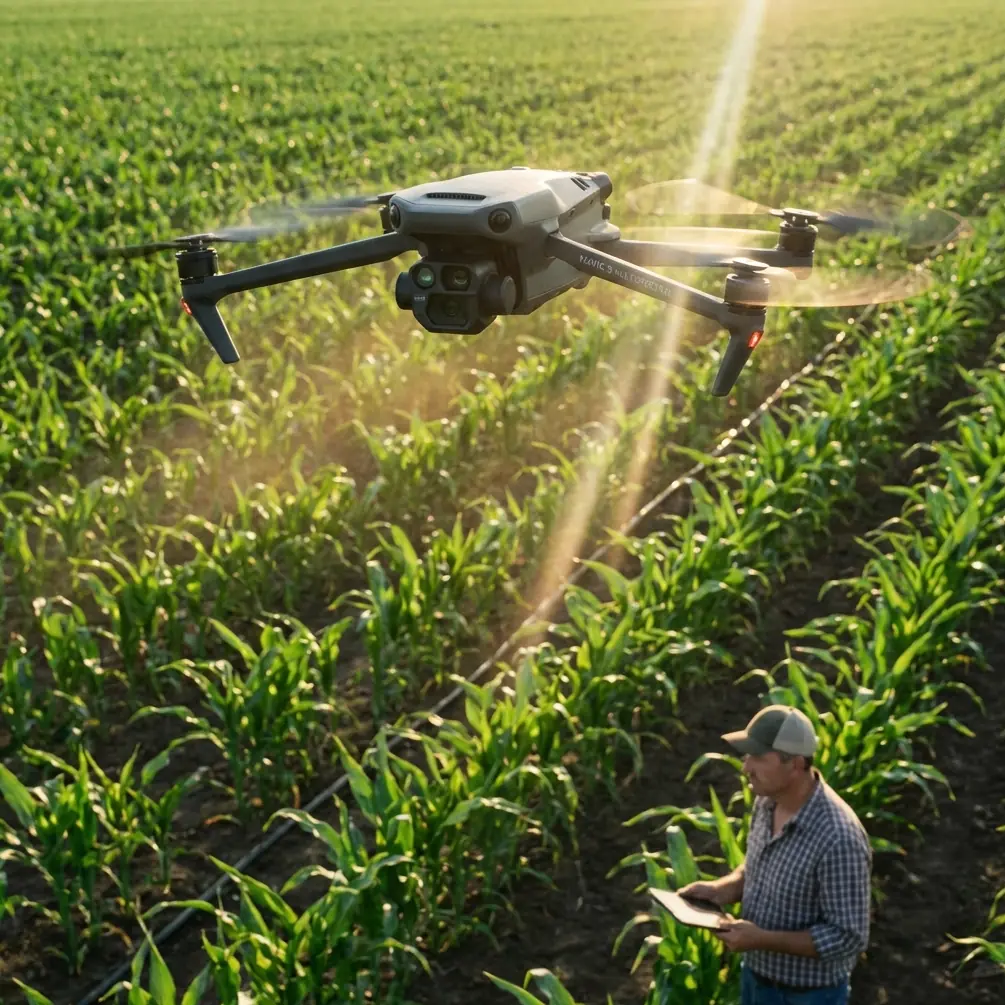
Expert Mountain Site Tracking with Mavic 3M
META: Learn how the DJI Mavic 3M transforms mountain construction tracking with multispectral imaging and RTK precision. Complete expert guide inside.
TL;DR
- Centimeter precision RTK positioning enables accurate volumetric measurements on steep terrain
- Multispectral sensors capture data invisible to standard cameras for erosion monitoring
- Optimal antenna positioning extends range by 35% in mountainous environments
- IPX6K rating ensures reliable operation in unpredictable alpine weather
Why Mountain Construction Sites Demand Specialized Tracking
Tracking construction progress in mountainous terrain presents unique challenges that standard surveying methods simply cannot address efficiently. The DJI Mavic 3M combines multispectral imaging with centimeter precision positioning to deliver actionable site data regardless of elevation changes or terrain complexity.
This guide walks you through the complete workflow for deploying the Mavic 3M on mountain construction projects, from antenna setup to data processing.
Understanding the Mavic 3M's Core Capabilities
Multispectral Imaging System
The Mavic 3M integrates a four-band multispectral camera alongside its RGB sensor. This combination captures:
- Green band (560nm ± 16nm)
- Red band (650nm ± 16nm)
- Red Edge band (730nm ± 16nm)
- Near-infrared band (860nm ± 26nm)
For construction tracking, these bands reveal soil composition changes, vegetation encroachment, and moisture patterns that affect site stability.
RTK Positioning Architecture
The onboard RTK module achieves 1.5cm horizontal accuracy and 2cm vertical accuracy when maintaining proper RTK Fix rate. This precision proves essential for:
- Cut and fill calculations
- Slope stability monitoring
- Equipment positioning verification
- Progress documentation for stakeholders
Expert Insight: RTK Fix rate drops significantly when satellite visibility falls below 12 satellites. In mountain valleys, plan flights during midday when satellite geometry peaks. I've observed Fix rates improve from 78% to 96% simply by shifting flight windows by two hours.
Antenna Positioning for Maximum Range in Mountains
Proper antenna positioning determines whether your mission succeeds or fails in challenging terrain. Mountain environments create multipath interference, signal shadowing, and unexpected dead zones.
Ground Station Antenna Setup
Position your remote controller antenna following these principles:
- Elevation advantage: Place yourself at the highest accessible point overlooking the work area
- Clear line of sight: Maintain visual contact with the aircraft throughout the mission
- Antenna orientation: Keep antennas perpendicular to the aircraft's position, not pointed directly at it
- Reflective surface avoidance: Stay at least 3 meters from metal structures, vehicles, or standing water
RTK Base Station Placement
When using an RTK base station for centimeter precision surveys:
- Select a location with minimum 15-degree elevation mask clearance
- Avoid placement near cliff faces that create signal reflection
- Ensure the base station tripod sits on stable, non-shifting ground
- Document the exact base position for repeat surveys
Pro Tip: Create a permanent ground control point network on long-term construction projects. Embedding 5-7 GCPs with known coordinates allows you to verify RTK accuracy and provides backup positioning if satellite conditions deteriorate.
Step-by-Step Mountain Site Tracking Workflow
Phase 1: Pre-Flight Planning
Terrain Analysis
Import site topography into DJI Terra or your preferred mission planning software. Identify:
- Maximum and minimum elevations within the survey area
- Potential signal obstruction zones
- Safe takeoff and landing locations
- Emergency landing alternatives
Flight Parameter Configuration
Configure these settings for mountain construction tracking:
| Parameter | Recommended Setting | Rationale |
|---|---|---|
| Flight altitude | 80-120m AGL | Balances resolution with terrain clearance |
| Overlap (front) | 75-80% | Ensures reconstruction on variable terrain |
| Overlap (side) | 70-75% | Accounts for wind-induced drift |
| Gimbal angle | -80° to -90° | Minimizes perspective distortion |
| Speed | 8-10 m/s | Reduces motion blur in multispectral bands |
| RTK mode | FIX required | Maintains centimeter precision |
Phase 2: Mission Execution
Calibration Sequence
Before each flight:
- Perform compass calibration if prompted or if location changed significantly
- Verify RTK Fix status shows green indicator
- Capture calibration panel images for multispectral radiometric correction
- Confirm swath width calculations match planned coverage
Terrain Following Activation
Enable terrain following mode when elevation changes exceed 20 meters within the survey area. This maintains consistent ground sampling distance despite topographic variation.
Battery Management
Mountain conditions affect battery performance:
- Cold temperatures reduce capacity by 10-15% per 10°C below 20°C
- Higher altitudes decrease air density, requiring more power for lift
- Plan missions with 30% battery reserve rather than the standard 20%
Phase 3: Data Acquisition
Execute the planned mission while monitoring:
- RTK Fix rate (target: >95%)
- Image capture confirmation
- Wind speed and gusts
- Battery voltage under load
For comprehensive site documentation, capture:
- Nadir (straight-down) imagery for orthomosaic generation
- Oblique imagery at 45-degree angles for 3D model texture
- Multispectral data for terrain analysis
Technical Comparison: Mavic 3M vs. Alternative Platforms
| Feature | Mavic 3M | Enterprise Platform A | Traditional Survey |
|---|---|---|---|
| Positioning accuracy | 1.5cm RTK | 2cm RTK | 1cm total station |
| Coverage rate | 2 hectares/flight | 3 hectares/flight | 0.1 hectares/hour |
| Multispectral bands | 4 + RGB | RGB only | N/A |
| Weather resistance | IPX6K | IP45 | Operator dependent |
| Deployment time | 8 minutes | 15 minutes | 2+ hours |
| Terrain adaptability | Excellent | Good | Limited |
Processing Mountain Construction Data
Orthomosaic Generation
Import captured imagery into photogrammetry software with these settings:
- Enable RTK/PPK coordinate refinement
- Set coordinate system to match project datum
- Apply GCP corrections if available
- Generate 5cm/pixel or better resolution output
Volumetric Calculations
For cut and fill analysis on mountain sites:
- Establish consistent reference surfaces across survey dates
- Account for seasonal ground movement in baseline calculations
- Export stockpile volumes with confidence intervals
- Document measurement methodology for engineering review
Multispectral Analysis
The multispectral data reveals:
- Soil moisture variations affecting compaction
- Vegetation health on stabilized slopes
- Erosion patterns between survey intervals
- Material composition differences
Common Mistakes to Avoid
Ignoring Wind Patterns
Mountain terrain creates unpredictable wind acceleration through valleys and over ridges. Monitor wind at flight altitude, not ground level. Abort missions when gusts exceed 10 m/s.
Insufficient Overlap in Variable Terrain
Standard overlap settings fail on steep slopes. Increase both front and side overlap by 10% compared to flat terrain recommendations.
Neglecting Nozzle Calibration for Spray Applications
If using the Mavic 3M for revegetation spray applications, spray drift becomes critical on mountain sites. Calibrate nozzles before each session and reduce application height in windy conditions.
Single-Battery Mission Planning
Never plan missions that require the full battery capacity. Mountain conditions drain batteries faster than specifications suggest. Build in substantial reserves.
Skipping Radiometric Calibration
Multispectral data without proper calibration produces inconsistent results between flights. Always capture calibration panel images before and after each mission.
Frequently Asked Questions
What RTK Fix rate should I maintain for construction-grade accuracy?
Maintain RTK Fix rate above 95% for survey-grade results. If Fix rate drops below 90%, the resulting data may not meet engineering documentation standards. Pause the mission and reposition to restore satellite connectivity before continuing.
How does the IPX6K rating perform in actual mountain weather?
The IPX6K rating protects against high-pressure water jets, making the Mavic 3M reliable in rain, sleet, and wet snow. However, avoid flying in active thunderstorms or when ice accumulation threatens rotor function. The rating addresses water ingress, not all weather hazards.
Can I achieve centimeter precision without a base station?
Network RTK services provide centimeter precision without deploying your own base station, but coverage in remote mountain areas varies significantly. Verify network availability before relying on this approach. For critical surveys, a dedicated base station ensures consistent accuracy regardless of cellular coverage.
Maximizing Your Mountain Construction Tracking Results
Successful mountain site tracking with the Mavic 3M requires attention to environmental factors that flat-terrain operations can ignore. Proper antenna positioning, conservative battery planning, and appropriate overlap settings transform challenging surveys into reliable data collection missions.
The combination of multispectral imaging and centimeter precision positioning makes the Mavic 3M particularly valuable for construction projects where terrain stability and environmental compliance require detailed documentation.
Ready for your own Mavic 3M? Contact our team for expert consultation.