
Mavic 3M in Vineyard Heat: A Field-Ready Inspection
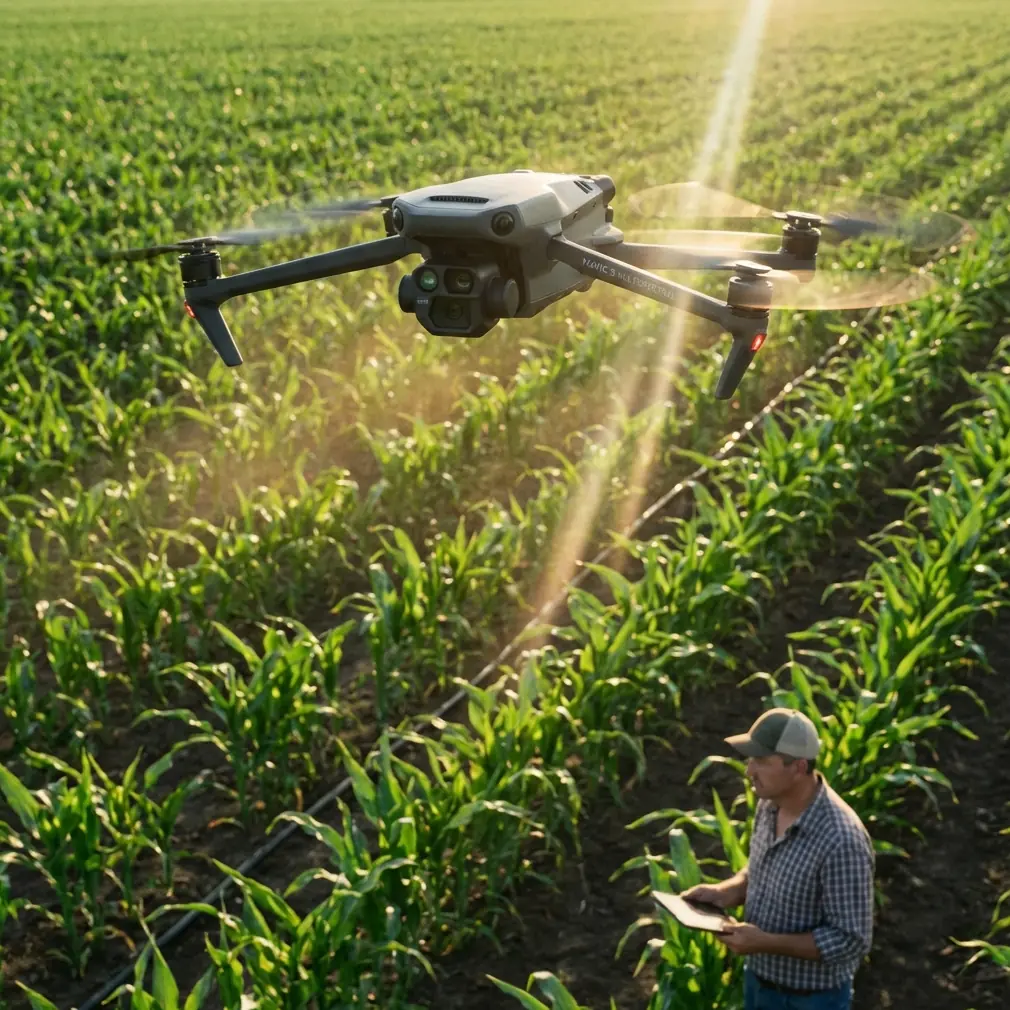
Mavic 3M in Vineyard Heat: A Field-Ready Inspection Workflow That Holds Up When Conditions Don’t
META: Practical Mavic 3M vineyard inspection workflow for extreme temperatures, covering battery handling, preflight discipline, multispectral planning, RTK precision, and heat-aware field operations.
By Marcus Rodriguez, Consultant
Vineyard inspection gets harder precisely when the crop gets more demanding. Heat stress, uneven irrigation response, bare soil glare, and midday thermals all complicate the job. The Mavic 3M is a strong fit for this kind of work because it combines fast deployment with multispectral data collection and high positional accuracy. But the aircraft alone is not the workflow. In hot conditions, your results are shaped just as much by battery handling, site discipline, and flight planning as by the sensor payload.
That point is easy to underestimate.
I’ve seen crews obsess over NDVI outputs and centimeter precision while casually leaving batteries in a hot vehicle between blocks. In vineyard work, especially in summer, that shortcut catches up quickly. One of the most useful operational rules from agricultural flight practice is brutally simple: never use or store batteries under high heat, including direct sun or inside a very hot car. The reason is not academic. Heat can trigger battery overheating, shorten service life, and degrade performance. On a long inspection day, that translates into shorter effective sorties, unstable voltage behavior, and more conservative decision-making in the field because the crew no longer trusts the power system.
For a Mavic 3M operator inspecting vineyards in extreme temperatures, battery discipline is not a side note. It is the first layer of data quality control.
The real preflight starts before you reach the vineyard
A lot of avoidable problems begin during transport. Agricultural operating guidance stresses that aircraft, tools, and accessories should be placed rationally in the vehicle and secured to avoid squeezing, impact, and damage in transit. That sounds basic, but it matters more with a multispectral platform than many operators admit. If your aircraft case has been sliding around in the back of a truck all morning, or if batteries have been stacked in a heat-soaked compartment, you are introducing risk before takeoff.
My field habit is straightforward. Batteries ride in an insulated case, out of direct sun, never against a metal truck wall, and never in a cabin that has been parked closed for hours. If outside temperatures are punishing, I rotate fewer flights per battery and give packs time to normalize in the shade before use. That one change tends to do three things: it stabilizes expected flight time, reduces thermal warnings, and keeps your inspection pace predictable across multiple vineyard sections.
Predictability is underrated. When you are trying to compare vigor patterns row by row, or revisit specific stress signatures from one block to the next, inconsistent sortie duration creates gaps in overlap planning and mission rhythm.
Why vineyard inspections need the same rigor as spray operations
The reference material comes from agricultural flight procedure, not vineyard mapping specifically, yet the operational logic transfers almost perfectly. Before work starts, crews are instructed to observe terrain, surrounding obstacles, possible takeoff and landing areas, travel paths, and potential signal or magnetic interference. They also perform range-related checks and flight performance tests to confirm the environment is interference-free.
That is exactly how a serious Mavic 3M vineyard mission should begin.
In vineyards, interference is not always dramatic. It can be subtle. Overhead lines at the edge of a block. Metallic infrastructure near pump stations. Tight headlands. Service roads with vehicle traffic. Sloped terrain that changes your effective height above canopy. Trellis geometry that can trick less experienced pilots into flying visually instead of according to mission logic.
A disciplined arrival checklist gives you control:
- Identify a clean launch and recovery area.
- Walk the perimeter for wires, trees, poles, and elevated irrigation hardware.
- Check likely sources of signal disturbance.
- Confirm wind direction and local gust behavior.
- Decide flight speed, line orientation, flight height, and mission pattern before takeoff.
That last part comes straight from the agricultural operating principle of building a plan around terrain and crop conditions, including flight speed, flight mode, route, and altitude. In vineyard inspection, it matters because multispectral consistency depends on repeatability. If the mission changes halfway through because the crew did not assess the block properly, your mosaics become harder to compare and your stress interpretation gets softer around the edges.
Extreme heat changes what “safe enough” looks like
People tend to think of heat as a battery problem alone. It isn’t. Heat changes pilot workload and aircraft behavior.
Another practical rule from the agricultural operating standard is that once airborne, the crew should watch for vibration, shaking, or resonance and decide whether safe flight can continue. That guidance is more useful for Mavic 3M inspections than it first appears. Hot, turbulent afternoon air can produce small but meaningful stability issues, especially when flying over alternating surfaces like vine canopy, gravel lanes, and exposed soil. If the aircraft is working harder to maintain attitude, your imagery can still look acceptable at a glance while your mission efficiency drops and the airframe runs hotter than planned.
I prefer early morning or late afternoon missions for vineyards not because that advice sounds neat, but because it reduces several variables at once: thermal stress on batteries, wind turbulence, and reflectance inconsistency from harsh overhead sun. If you must fly in severe heat, lower the operational ambition. Break larger blocks into shorter missions. Allow cooling intervals. Verify battery temperature before launch. Protect the aircraft during setup rather than leaving it staged in the sun while discussing the plan.
That is not overly cautious. It is how you keep the day productive.
What the water-monitoring reference teaches vineyard operators
The second document focuses on UAV remote sensing for water conservancy monitoring, but it contains a lesson that vineyard managers should take seriously: valuable drone work is not just image capture. It is decision support.
In that study, the UAV workflow supported full-area monitoring of river water bodies and adjacent infrastructure, and the deliverables were more than stitched imagery. They included orthomosaic output, thematic reporting, and detailed analytical material. One operational detail stands out: lateral overlap greater than 60% was required for the image-production accuracy target. That number matters because it reminds us that useful analytics start with disciplined capture geometry, not with software rescue later.
For Mavic 3M vineyard missions, overlap planning deserves the same respect. If your intent is to identify weak vigor zones, irrigation irregularities, edge effects, or disease-related anomalies for follow-up scouting, you need consistent overlap and clean georeferencing. This is where a strong RTK Fix rate and centimeter precision change the workflow from “interesting map” to “actionable management layer.” With stable RTK, revisit missions become more trustworthy. You can compare one pass to the next with less positional doubt, align suspect areas with specific rows more confidently, and hand field teams precise scouting points rather than broad guesses.
The water-monitoring document also highlights how UAV imagery, when compared with historical satellite imagery, revealed river movement from north to south over a four-year period from 2010 to 2014. That comparison framework is directly relevant to vineyards. The value of the Mavic 3M is not simply in spotting stress on one hot day. It is in building a time series. Once you can compare this week’s multispectral pattern to prior captures, you begin separating one-off visual noise from recurring structural problems: irrigation distribution issues, compaction-related underperformance, drainage imbalance, or block-edge heat effects.
The platform helps you see the pattern. The workflow determines whether the pattern is trustworthy.
A practical Mavic 3M heat workflow for vineyard inspection
Here is the field method I recommend when temperatures are high and the goal is clean, repeatable crop intelligence.
1. Transport like the mission matters
Secure the aircraft, RTK accessories, batteries, and controller so nothing shifts or gets crushed in transit. Keep power packs shaded and insulated. Never let them bake in a parked vehicle. This one mistake quietly ruins long inspection days.
2. Build the flight around the block, not around habit
Agricultural procedure emphasizes studying the terrain and crop before choosing flight speed, route, and height. In vineyards, that means aligning your mission with row orientation where possible, accounting for slope and trellis height, and deciding whether the block should be split into multiple missions for better consistency.
3. Inspect the environment before arming
Check for launch space, landing options, obstacles, overhead lines, and possible interference. The water-monitoring reference specifically mentions that UAV imagery can reveal power lines crossing above monitored corridors. Vineyards often have similar hazards near access roads and infrastructure. If you see a wire on the map review, it deserves the same respect on site.
4. Run a real preflight performance check
Do not jump from setup to autonomous mission because the aircraft flew fine yesterday. The operating guidance calls for both range-related checks and flight performance testing before the task. On a Mavic 3M in extreme heat, that means confirming stable hover behavior, healthy GPS and RTK status, normal battery response, and no unexpected vibration.
5. Fly shorter, cleaner sorties
High temperatures reward conservative mission design. Shorter flights reduce thermal load and make overlap consistency easier to preserve. They also help maintain a stronger RTK Fix rate because you are not pushing through changing conditions for too long in a single run.
6. Log what happened
The agricultural standard explicitly calls for filling out flight logs, including flight count, time, and real-time battery monitoring. That is not bureaucracy. In vineyard operations, your log becomes the bridge between image output and field interpretation. If one block shows weak data quality, the log often explains why: a hotter battery set, stronger wind, a mid-mission pause, or changing light.
The battery tip I wish more crews learned earlier
Here is the field lesson that saves more frustration than any software trick: when the day is brutally hot, treat battery temperature recovery as part of mission timing, not as downtime.
Operators often land, swap, and relaunch immediately because the block is waiting. But if the fresh pack has been sitting in a hot vehicle or the previous pack was removed and tossed into direct sun, you are cycling heat stress from one sortie into the next. I prefer to stage batteries in a shaded container, rotate them deliberately, and leave enough breathing room between uses that the pack is not starting the next mission already compromised.
That habit improves more than battery health. It sharpens decision-making. You stop rushing the aircraft because the power system feels stable. You stop second-guessing whether a shortened flight time is due to mission design or thermal abuse. You gain confidence that a weak map is a mapping issue, not a battery issue.
If you’re refining your own hot-weather vineyard workflow and want to compare checklists or sensor planning notes, message me here: https://wa.me/85255379740
Don’t force the Mavic 3M to act like a spray drone
The LSI terms around spray drift, nozzle calibration, and swath width make sense in broader vineyard operations, but they should not be confused with what the Mavic 3M is doing. This aircraft is an inspection and mapping platform, not a spraying system. That distinction matters operationally.
Still, inspection quality directly affects spraying decisions later. Good multispectral mapping can reveal where canopy stress clusters, where irrigation response is patchy, and where field teams should verify vine condition before any treatment plan is adjusted. In that way, the Mavic 3M sits upstream from spray decisions. It does not replace nozzle calibration or drift management, but it helps determine where closer agronomic attention is justified.
That is a stronger use case than vague “precision agriculture” claims. It ties the aircraft to actual vineyard management choices.
What high-value output looks like
The best Mavic 3M vineyard missions produce more than colorful maps. They produce a decision package:
- a georeferenced orthomosaic
- multispectral vegetation layers
- precise row-level target locations
- notes tied to battery set, weather window, and mission timing
- a shortlist of anomalies that justify ground truthing
That mirrors the water-monitoring model, where UAV flights generated both imagery and thematic analysis. The aircraft is only the first stage. The useful part is turning flight data into an operational recommendation.
For vineyards in extreme heat, that recommendation often comes down to timing and prioritization: which blocks need immediate scouting, which anomalies are likely heat-related and temporary, which patterns look structural, and which areas should be re-flown under better conditions for confirmation.
The Mavic 3M is very capable in this role. But capability is not immunity. In severe temperatures, results depend on whether the crew respects the basics: safe transport, shaded battery handling, preflight testing, environmental assessment, disciplined overlap, reliable RTK, and honest logging.
Get those right, and the aircraft becomes more than a sensor platform. It becomes a repeatable vineyard intelligence tool, even when the weather is trying to make every shortcut look acceptable.
Ready for your own Mavic 3M? Contact our team for expert consultation.