
Mavic 3M in Low Light: What Actually Matters Before You
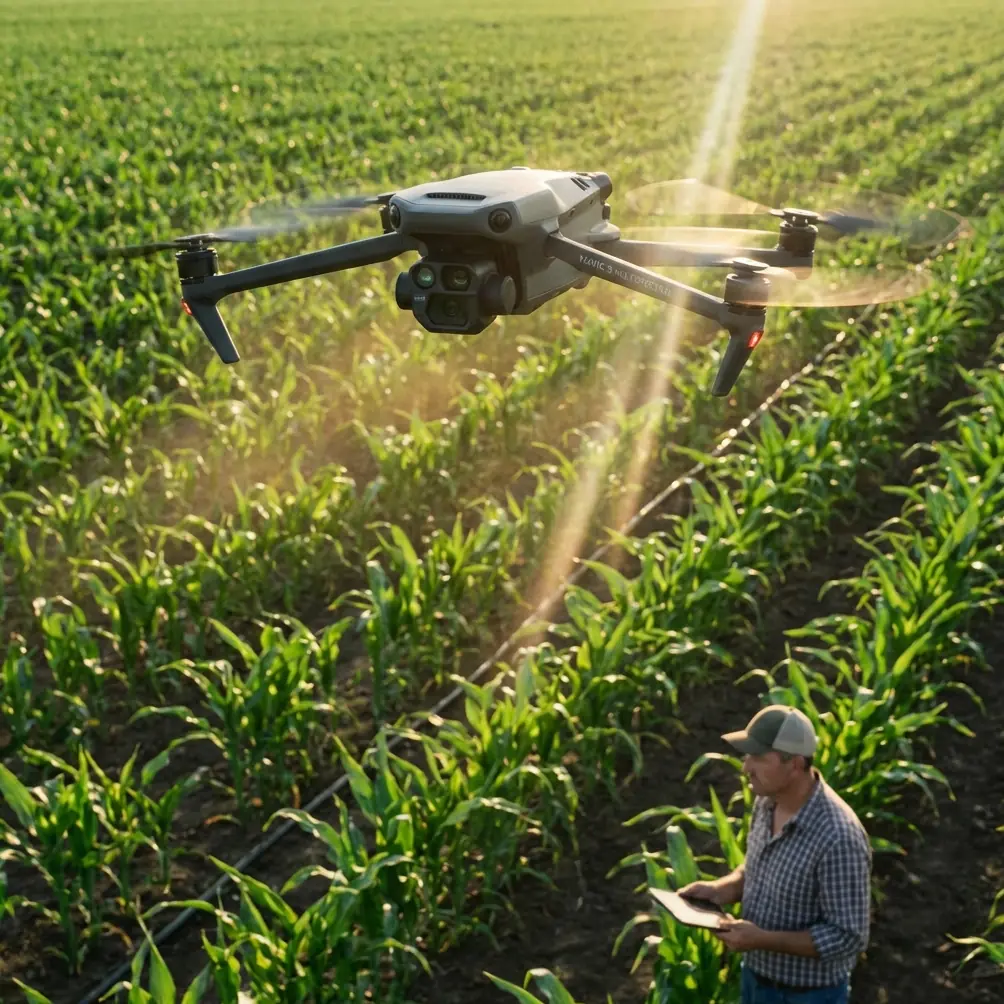
Mavic 3M in Low Light: What Actually Matters Before You Press Record
META: Practical Mavic 3M low-light field guide for wildlife work, with pre-flight discipline, image realism, flight rhythm, and route continuity lessons drawn from technical reference material.
The Mavic 3M is not a cinema drone in the usual sense, and that is exactly why it deserves a more careful conversation when people try to use it for wildlife work in low light.
Most articles drift into generic praise or feature recaps. That misses the real question. If you are taking a Mavic 3M into dim conditions around sensitive animals, what separates usable data and credible visuals from footage that looks rushed, noisy, or operationally sloppy?
The answer starts well before takeoff.
A useful way to think about the Mavic 3M is as a precision field instrument that happens to fly. That mindset changes everything: how you clean it, how you pace the mission, how you frame what you capture, and how you recover when the sortie is interrupted. Low-light wildlife work punishes shortcuts. It also rewards operators who understand that small pauses and small adjustments often produce the biggest gains.
The first failure point is usually not the camera
When pilots complain that their early morning or late evening results look flat, artificial, or vaguely disappointing, they often blame the hardware. In reality, the first breakdown is often visual judgment.
One of the source references makes a deceptively simple point about phone photography: you do not need professional gear or complicated software to improve results, but the shooting method changes how the final image feels. It also warns that pushing beautification too far makes images look soft, fake, and stripped of texture. That sounds unrelated to a Mavic 3M until you spend time reviewing wildlife footage captured in marginal light.
The same principle applies in the air. Overprocessed images may look “cleaner” at a glance, but for habitat documentation, animal behavior review, edge detection, and environmental interpretation, excessive smoothing can erase the texture that tells the real story. Fur detail, wetland surface pattern, branch separation, and subtle movement cues matter. In low light, many operators are tempted to “fix” weak captures with aggressive edits. The result can be a polished-looking file that is less trustworthy and less useful.
With the Mavic 3M, restraint is often the more professional choice. Capture carefully. Adjust lightly. Preserve natural tonal transitions. If the scene is dim, your job is not to force a dramatic look. Your job is to retain believable information.
That matters even more because wildlife clients, ecologists, and land managers often care less about spectacle than consistency. They need imagery that reflects actual conditions, not images that have been scrubbed into plastic.
Start with a pre-flight cleaning routine, not a settings debate
A lot of low-light issues begin as avoidable contamination problems.
The narrative prompt here mentions a pre-flight cleaning step for safety features, and that deserves emphasis. Before a dawn wildlife mission, clean the aircraft methodically. Not just the main lens area, but the obstacle sensing surfaces, airframe seams, landing surfaces, and any exposed sensor windows. Dew, dust, pollen, dried mist, and residue from prior fieldwork can all reduce reliability in conditions where the system already has less visual information to work with.
This is not cosmetic maintenance. It is a safety and data integrity step.
Low-angle light is unforgiving. A thin smear on a lens cover can bloom highlights and reduce contrast. Moisture on sensing surfaces can influence confidence during close terrain work or cautious launch and landing. If the aircraft has been used near agricultural zones, a disciplined wipe-down also helps avoid carrying residue into a conservation site. For operators who work across multispectral crop surveys and wildlife observation, that crossover risk is real. It is one reason agricultural best practice can still inform wildlife operations.
A smart pre-flight sequence for low-light Mavic 3M work looks like this:
- inspect and clean optical surfaces first
- check body vents and folding joints for grime or moisture
- verify prop condition and attachment
- confirm the aircraft is dry and stable after transport
- power on and observe normal system status before launch
People like to talk about advanced tools such as RTK fix rate and centimeter precision, and yes, those capabilities shape mapping-grade outcomes. But field reliability still starts with the boring ritual. A clean aircraft sees better, flies with fewer surprises, and gives the operator one less variable to fight at civil twilight.
Low light punishes rushed flying more than low light itself
The most valuable technical lesson in the reference set did not come from a drone manual at all. It came from a model aircraft training text discussing a symmetrical 45-degree climb and the need to “pause slightly” between control steps. The text is specific: after entering a 45° climb, the pilot should briefly neutralize input to establish a straight line, then roll, then wait again because speed decays during the climb and timing affects symmetry. It even explains the operational benefit: that brief pause creates time to check whether the wings are level before the next input.
For Mavic 3M wildlife work, this is gold.
No, you are not flying an aerobatic half reverse Cuban eight. But the underlying discipline transfers perfectly. In low light, pilots often compress their actions. They rush the climb, rush the framing, rush the turn, and then overcorrect because the scene is hard to read. The footage feels nervous. The aircraft path gets messy. The subject may be disturbed unnecessarily.
The training reference makes a deeper point: do not try to mix corrections into every moment from start to finish, or the whole maneuver turns into a muddle. In wildlife filming terms, that means you should stop trying to solve exposure, composition, tracking, obstacle awareness, and flight path all at once through constant stick activity.
Instead, build rhythm into the sortie.
Climb. Settle. Observe. Reframe. Move.
That short mental cadence does two things. First, it improves aircraft control when visual contrast is weak. Second, it reduces stress on the operator, which usually improves decision quality around animals. Those micro-pauses are where you notice branch interference, changing behavior, reflective water surfaces, or your own drift off the intended line.
A pilot who gives themselves a beat between actions usually captures steadier, more honest footage than a pilot who keeps stirring the controls.
Why this matters specifically on the Mavic 3M
The Mavic 3M sits in a different category from purely creative platforms because it is built around field intelligence. Its value in environmental work comes from repeatability, spatial discipline, and multispectral context. That makes flying rhythm especially important.
If you are working a low-light wildlife edge case, such as dawn movement along a marsh boundary or dusk activity near a tree line, you may be using the aircraft not just to “film,” but to document behavior against habitat structure. In that kind of mission, the multispectral identity of the platform changes how you should think about capture. You are not just chasing a pretty shot. You are building a consistent observational record.
That is where controlled pacing and clean framing become operationally significant. A small pause before a line transition can help you maintain heading discipline. A calmer orbit or lateral pass can improve repeatability on future flights. If you are correlating visible imagery with multispectral observations, consistency beats improvisation.
People sometimes underestimate how much a stable, deliberate path matters when reviewing field material later. The cleaner your route, the easier it is to compare position, vegetation response, shadow behavior, and animal movement from one mission to the next.
Interruption planning is part of image quality
The second technical reference in the source material is about a breakpoint resume spraying module. At first glance, that sounds purely agricultural, with nothing to say about a Mavic 3M and wildlife. Look closer and the logic is highly relevant.
The document describes a continuity workflow: connect through TELEM1 or TELEM2, verify correct connection by checking that the blue status light flashes continuously, plan the route in a ground station, and if the aircraft returns because of low battery or depleted spray load, the system records the breakpoint. After return, replacement, and restart, a green status light confirms the point was saved, and the aircraft can re-enter automatic mode and continue the remaining waypoint task from that saved location.
Even though the hardware context is spraying, the operational lesson is broader: mission continuity should be designed, not improvised.
Low-light wildlife windows are often short. You may only get a narrow period of predictable movement. If your sortie is interrupted by battery limits, unexpected fog thickening, or a conservative return decision, the quality of your work depends on how well you can resume with spatial discipline. The agricultural workflow demonstrates the value of preplanned routes and confirmed state awareness before continuation. For Mavic 3M operators, that translates into mission segmentation, documented waypoint logic, and careful re-entry planning.
In practical terms:
- know exactly where your observation line begins and ends
- use repeatable route structure instead of freehand wandering
- record enough mission context that a second launch can continue the story, not restart it chaotically
- verify system status before the resume leg, just as the module workflow uses visible light status checks
This is where the platform’s precision mindset pays off. Centimeter precision and stable route logic are not abstract spec-sheet ideas. They are what allow a second flight to remain analytically useful after the first one ends early.
The hidden benefit of “slowing down” in wildlife operations
The aerobatic training extract also says something many pilots learn too late: once you perform the maneuver a few times, you realize there is actually more time than you initially thought. That is an excellent description of experienced low-light fieldwork.
Beginners feel rushed because dim scenes create uncertainty. Experienced operators know that the best results often come from reducing input density, not increasing it. If your route is prepared, your aircraft is clean, and your line of travel is intentional, you usually have more time to assess than you think.
This is especially true around wildlife. Animals do not benefit from a nervous aircraft making abrupt changes. A steadier profile with fewer corrections is not just better for footage. It is often better field behavior.
There is another advantage. In the training text, the pause before the next move creates space to prepare. In drone terms, that preparation window is where you check subject direction, background clutter, obstacle separation, and your own energy state. Low light drains attention quickly. Rhythm preserves it.
Don’t fake “cinematic” when natural texture is the real objective
The phone-photography reference deserves one more pass because its warning about exaggerated beautification is highly transferable. In wildlife work, the equivalent mistake is trying to force an atmospheric, dramatic look onto weak raw material. Heavy denoising, over-lifted shadows, crushed contrast, and unnatural color can make footage look expensive for five seconds and useless forever after.
On a Mavic 3M mission, especially one tied to habitat interpretation or ecological review, realistic texture is a functional requirement. Branch detail helps with scale. Surface texture on water or grass helps with wind interpretation. Natural tonal gradation helps distinguish low-contrast subjects in a scene. A little post adjustment is fine. A synthetic-looking file is not.
If you are unsure how far to push the image, the answer is usually: less than you think.
A field-ready workflow for Mavic 3M low-light wildlife sorties
Here is the distilled operational model that emerges from the source material:
1) Clean before you calibrate your expectations
A quick pre-flight wipe of optical and sensing surfaces often matters more than chasing miracle settings. This is a safety step, not vanity.
2) Build the mission around deliberate pauses
The 45° training principle applies cleanly: brief pauses between flight phases create time to verify attitude, heading, subject position, and scene readability.
3) Resist overprocessing
The reference on phone photography is blunt: too much enhancement kills realism. For wildlife footage, natural texture is often the point.
4) Plan for interruption and resumption
The breakpoint-resume logic from the spraying module is a reminder that continuity wins. Structured routes and clean restart procedures protect short low-light windows.
5) Treat the Mavic 3M as an observation tool first
Its multispectral identity and precision-oriented workflow favor consistency over theatrical flying.
If you need a second opinion on setting up a repeatable field workflow for wildlife or environmental observation, you can message a drone specialist here and compare your mission plan before the next dawn sortie.
The real advantage is not the aircraft alone
A Mavic 3M in low light can produce valuable wildlife documentation, but only when the operator stops asking it to compensate for bad field habits.
The references behind this article point to an unexpectedly coherent lesson. Better results do not always come from more gear, more software, or more intervention. Sometimes they come from restraint: lighter editing, cleaner preparation, calmer timing, and a route structure that survives interruptions.
That is the kind of discipline that makes a field aircraft genuinely useful.
Ready for your own Mavic 3M? Contact our team for expert consultation.