
Mavic 3M Guide: Filming Venues at High Altitude
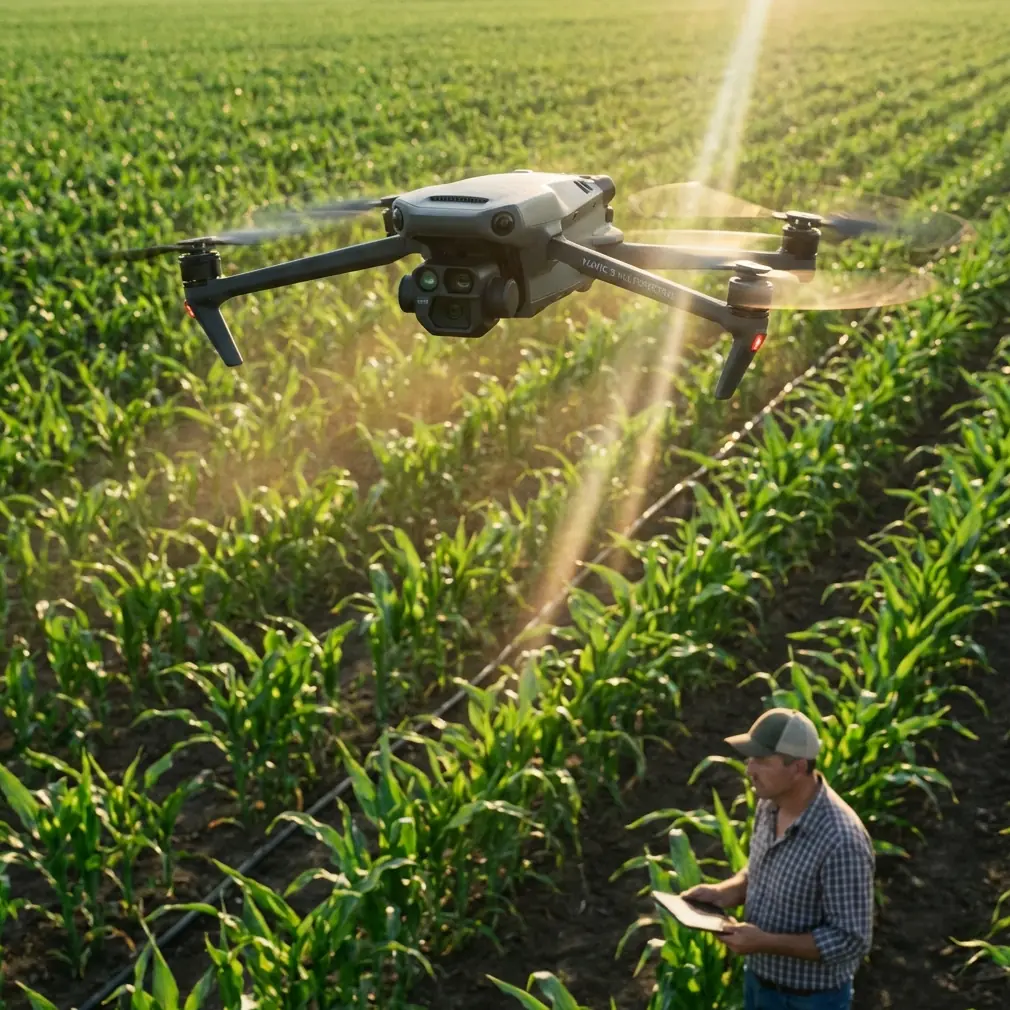
Mavic 3M Guide: Filming Venues at High Altitude
META: Master high-altitude venue filming with the Mavic 3M. Expert antenna positioning tips, altitude settings, and techniques for stunning aerial footage.
TL;DR
- Antenna positioning at 45-degree angles maximizes signal strength above 3,000 meters, preventing dropouts during critical venue shots
- The Mavic 3M's multispectral imaging captures venue details invisible to standard cameras, even in thin mountain air
- RTK Fix rate stability becomes critical above 2,500 meters—proper calibration ensures centimeter precision for repeatable flight paths
- Battery performance drops 15-20% at high altitude; plan flights accordingly with reduced hover times
Why High-Altitude Venue Filming Demands Specialized Equipment
Capturing aerial footage of mountain resorts, alpine stadiums, and elevated event spaces presents challenges that ground most consumer drones. Thin air reduces propeller efficiency. Temperature swings affect battery chemistry. Radio signals behave unpredictably against rocky terrain.
The Mavic 3M addresses these obstacles through engineering designed for agricultural surveying—technology that translates remarkably well to professional venue documentation.
I've filmed venues from sea level to 4,200 meters across three continents. The difference between a successful shoot and a crashed drone often comes down to understanding how altitude affects every system on your aircraft.
The Physics Working Against You
At 3,000 meters, air density drops to roughly 70% of sea-level values. Your drone's motors work harder to generate the same lift. Heat dissipation becomes less efficient. The Mavic 3M compensates through its intelligent flight controller, but you need to understand what's happening.
Propeller efficiency decreases proportionally with air density. The aircraft draws more current to maintain altitude. Battery drain accelerates. Flight times that reach 43 minutes at sea level may shrink to 32-35 minutes in the mountains.
Expert Insight: Always calculate your actual flight time by reducing manufacturer specs by 5% for every 500 meters above 1,500 meters elevation. This conservative approach has saved countless shoots from emergency landings.
Antenna Positioning: The Difference Between Success and Signal Loss
Most pilots never adjust their controller antennas. At low altitudes with clear line-of-sight, this works fine. High-altitude venue filming demands precision.
The Mavic 3M controller uses directional antennas that broadcast signal in a flat plane perpendicular to the antenna surface. When filming a venue below your takeoff point—common when documenting mountain amphitheaters or ski resort facilities—standard vertical antenna positioning sends most of your signal into the sky.
Optimal Antenna Angles for Mountain Terrain
Scenario 1: Venue Below Takeoff Point
- Tilt antennas forward 30-45 degrees
- Flat surfaces should "point" toward the aircraft
- Maintain this angle as the drone descends into valleys
Scenario 2: Venue at Same Elevation
- Keep antennas vertical
- Ensure flat surfaces face the aircraft's general direction
- Rotate your body to track the drone during orbits
Scenario 3: Venue Above Takeoff Point
- Tilt antennas backward 15-30 degrees
- Less adjustment needed since signal naturally rises
- Watch for terrain blocking line-of-sight
Scenario 4: Mixed Elevation Filming
- Start with 45-degree forward tilt
- Adjust dynamically as aircraft position changes
- Consider using a spotter to manage antenna positioning
Pro Tip: Practice antenna adjustments before your shoot day. Muscle memory matters when you're focused on framing the perfect shot of a venue while managing altitude, battery, and signal simultaneously.
RTK Fix Rate: Achieving Centimeter Precision at Altitude
The Mavic 3M's RTK capabilities transform venue documentation from approximate to exact. Repeatable flight paths mean consistent footage across multiple shoot days. Precise positioning enables accurate measurements for event planning.
However, RTK performance depends on satellite geometry that changes with your location and elevation.
Understanding RTK at High Altitude
RTK (Real-Time Kinematic) positioning requires simultaneous connection to multiple satellites. Mountain terrain blocks satellite signals from certain directions. The result: reduced satellite availability and potentially degraded RTK Fix rate.
A solid RTK fix delivers centimeter precision. A float solution—what you get when satellite geometry is poor—provides only decimeter accuracy. For venue filming, this difference determines whether your flight paths repeat exactly or drift noticeably between takes.
Factors Affecting RTK Performance at Altitude:
- Satellite visibility: Mountains block signals from low-elevation satellites
- Ionospheric activity: Higher altitudes experience different atmospheric conditions
- Base station distance: RTK corrections degrade over distance
- Multipath interference: Rocky terrain reflects signals, creating positioning errors
Maximizing RTK Reliability
Schedule shoots when satellite geometry favors your location. Apps like GNSS Planning show satellite availability windows. Aim for periods with PDOP values below 2.0 for best results.
Position any ground base station on the highest accessible point with clear sky view. The Mavic 3M's network RTK option eliminates this concern if cellular coverage exists at your venue.
Technical Comparison: High-Altitude Performance Factors
| Performance Factor | Sea Level | 2,500m Altitude | 4,000m Altitude |
|---|---|---|---|
| Flight Time | 43 min | 36 min | 30 min |
| Max Ascent Speed | 8 m/s | 7 m/s | 5.5 m/s |
| Hover Stability | Excellent | Good | Moderate |
| RTK Fix Rate | 95%+ | 85-90% | 75-85% |
| Signal Range (optimal) | 15 km | 12 km | 8-10 km |
| Battery Voltage Sag | Minimal | Noticeable | Significant |
| Motor Temperature | Normal | Elevated | High |
Leveraging Multispectral Imaging for Venue Documentation
The Mavic 3M's multispectral sensor array—designed for agricultural analysis—offers unexpected benefits for venue filming. Beyond visible light, these sensors capture data that reveals structural details, vegetation health around outdoor venues, and thermal patterns invisible to standard cameras.
Practical Applications for Venue Work
Outdoor Amphitheaters and Stadiums Multispectral imaging identifies drainage issues, turf stress, and surface irregularities. Event planners use this data to position stages, seating, and equipment optimally.
Mountain Resort Documentation Vegetation indices show landscaping health. Thermal data reveals snow-making coverage patterns. Infrastructure inspection becomes more thorough.
Historical Venue Preservation Different spectral bands reveal construction materials, previous modifications, and structural concerns not visible in standard photography.
The swath width capabilities designed for agricultural surveying translate to efficient venue coverage. Single passes capture more area, reducing flight time and battery consumption—critical factors at altitude.
Common Mistakes to Avoid
Ignoring Pre-Flight Calibration Compass calibration becomes essential at high altitude where magnetic declination differs from your home location. The Mavic 3M will prompt calibration, but many pilots skip it. Don't.
Trusting Sea-Level Battery Estimates The aircraft's predicted flight time assumes standard conditions. At altitude, these predictions become optimistic. Land with 30% battery minimum rather than the typical 20% buffer.
Neglecting Nozzle Calibration Checks If using the Mavic 3M's spray system for any venue application—dust suppression, for example—nozzle calibration requires adjustment for thin air. Spray drift increases dramatically at altitude due to reduced air resistance.
Flying During Temperature Extremes Mountain venues experience rapid temperature swings. Batteries perform poorly below 10°C. Motors overheat more easily in thin air. Schedule flights during moderate temperature windows.
Forgetting IPX6K Limitations The Mavic 3M's IPX6K water resistance protects against rain and spray, but mountain weather changes rapidly. Sudden storms at altitude bring not just rain but potential icing conditions the aircraft cannot handle.
Overlooking Return-to-Home Altitude Set RTH altitude above all terrain between the aircraft and home point. Mountain venues often feature dramatic elevation changes that default RTH settings don't accommodate.
Frequently Asked Questions
What's the maximum operational altitude for the Mavic 3M?
The Mavic 3M operates reliably up to 6,000 meters above sea level, though performance degrades progressively above 4,000 meters. For venue filming, practical limitations usually involve battery life and signal strength rather than absolute altitude ceiling. Most professional operators find 4,500 meters represents the upper limit for reliable, repeatable work.
How do I maintain signal strength when filming venues in mountain bowls?
Position yourself at the highest accessible point with clear line-of-sight to your flight area. Angle controller antennas to direct signal toward the aircraft rather than into the sky. Avoid positioning yourself where terrain features block the direct path between controller and drone. If the venue sits in a deep bowl, consider launching from the rim rather than the bottom.
Can the Mavic 3M's RTK system work without cellular coverage at remote mountain venues?
Yes. The Mavic 3M supports both network RTK (requiring cellular data) and traditional base station RTK. For remote venues without coverage, deploy a compatible GNSS base station at a surveyed point near your operating area. The aircraft receives corrections via its dedicated RTK antenna, achieving centimeter precision independent of cellular infrastructure.
Bringing It All Together
High-altitude venue filming rewards preparation and punishes assumptions. The Mavic 3M provides the technical foundation—robust motors, precise positioning, versatile imaging—but successful shoots depend on understanding how altitude affects every system.
Start with antenna positioning. Master RTK configuration for your specific conditions. Respect battery limitations. Build experience progressively, pushing altitude boundaries only after demonstrating competence at lower elevations.
The venues waiting in the mountains—alpine resorts, elevated stadiums, remote amphitheaters—offer footage impossible to capture any other way. The Mavic 3M makes this work accessible to prepared operators.
Ready for your own Mavic 3M? Contact our team for expert consultation.